BOT Portal Functional Cognition
LOG IN
Quick Menu
Functional Cognition Lab Join the BOT Portal Courses & Products Blog
← Back to all posts

Why Your Patients Aren’t “Just Forgetful”

by Michelle C. Eliason MS OTR/L
Mar 30, 2026
Connect

In the last few issues, we’ve broken memory down into:

  • levels (working, short-term, long-term)
  • types (prospective, verbal, visual, motor, procedural)

At this point, most clinicians can look at a patient and say:

👉 “Okay… this is the type of memory problem I’m seeing.”

But here’s where things usually fall apart:

👉 Even when you identify the problem… the patient still isn’t improving.


The Assumption That Gets Clinicians Stuck

Most treatment plans are built on this idea:

👉 “If we repeat it enough, it will come back.”

So we:

  • practice tasks
  • repeat instructions
  • run through activities again and again

And sometimes…

👉 it still doesn’t stick.


🎥 Watch the Full Breakdown (22 minutes)

This walks through all 8 types of memory and how they function in real clinical practice.
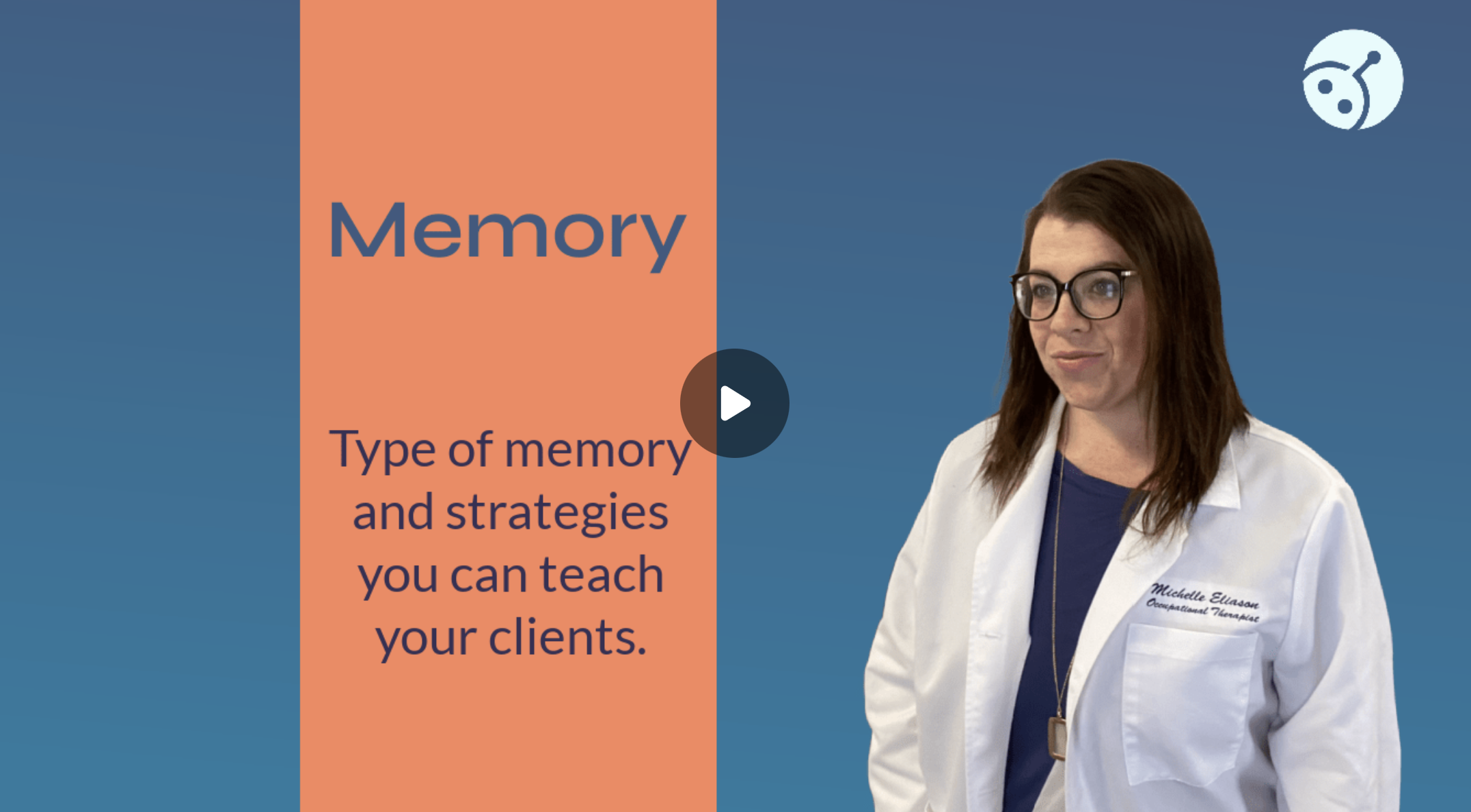
Lesson 1: Types of Memory and Strategies for Occupational Therapy

This content discusses the complexities of memory and the different types of memory from working to long-term. It goes on to explain the ...

app.membership.io

What’s Actually Happening

When a patient has a neurological injury or condition, the problem is not just:

👉 “they forgot how to do it”

The problem is often:

👉 the brain no longer has a usable map

  • The movement map may be gone
  • The routine may no longer exist
  • The system that supported the task may be disrupted

What This Looks Like Clinically
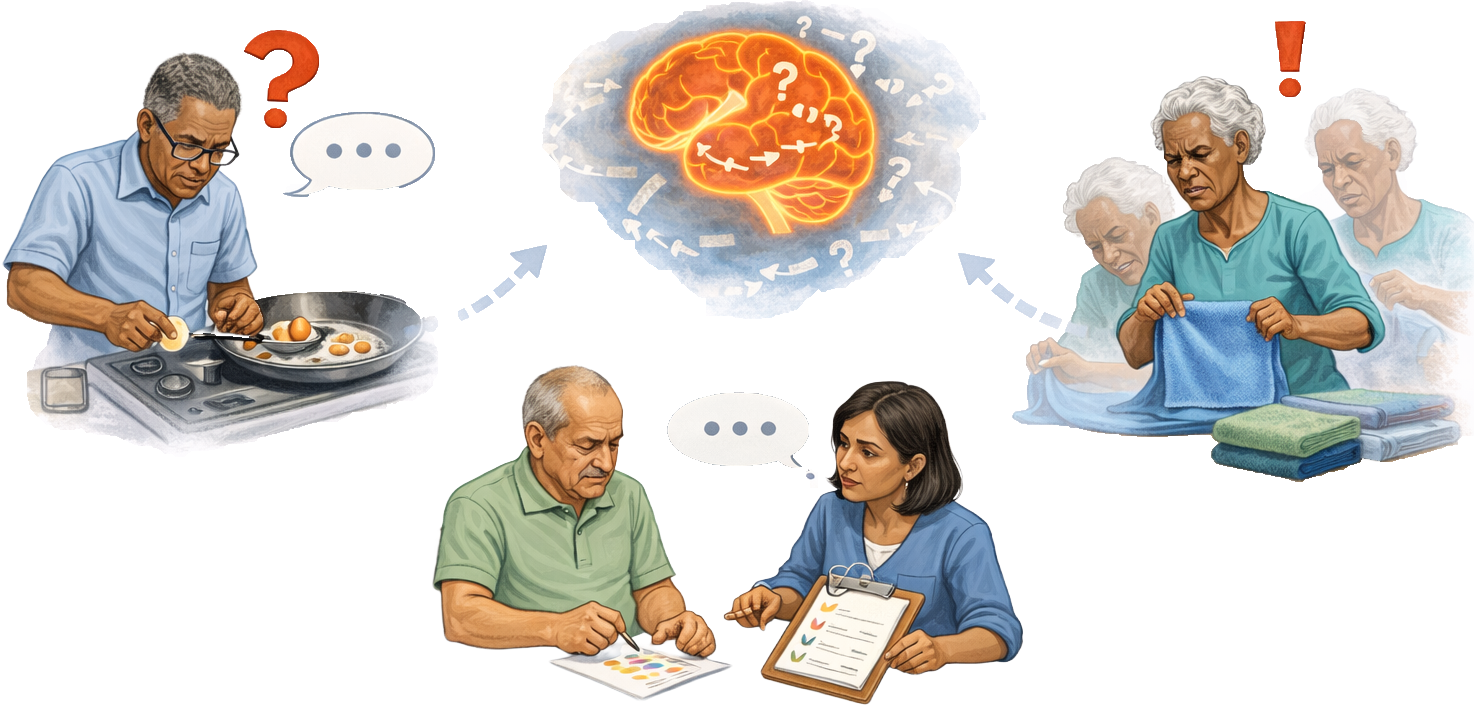
You might see:

  • A patient who has done a task for 30 years… suddenly unable to initiate it
  • A patient who improves in session… but can’t carry it over
  • A patient who repeats something multiple times… but doesn’t get better

👉 This is not lack of effort.

👉 This is not noncompliance.

👉 This is a mapping problem in the brain.


🔥 Understanding this changes how you see the patient.

👉 Knowing what to do about it is what changes your outcomes.
This post is for paying subscribers only

Upgrade

Already have an account? Log in

The Memory Types That Actually Impact Daily Life
In the last issue, we broke memory down into three levels: Working memory Short-term memory Long-term memory And more importantly: 👉 where those systems break down in real patients Now we’re going one layer deeper. Because memory doesn’t just break at a “level”… 👉 it breaks in how information is used in real life The 5 Memory Types That Drive Daily Function These are the systems that determ...
Where Memory Actually Breaks (Clinically)
In the last issue, we broke down a simple but important idea: 👉 “Memory problems” is not a diagnosis. It’s a starting point. Because memory is not one thing — it’s a system. Now we’re going to take the next step: 👉 Where does memory actually break down in real patients? Start Here: The 3 Breakdown Points When a patient presents with “memory issues,” you can simplify your clinical reasoning im...
Stop Saying “Memory Problems”
When someone says a patient has “memory problems,” that tells us basically nothing. That’s like a mechanic saying your car has “car problems.” It might sound right… but it doesn’t help you fix anything. And in clinical practice, if you don’t know exactly what’s wrong — you end up: guessing overgeneralizing or defaulting to worksheets and compensation 👉 None of which actually target the proble...

Functional Cognition Lab

A weekly clinical training system delivered through short, actionable insights. Designed for occupational, physical, and speech therapy clinicians who integrate cognition into everyday practice.
Contact Functional Cognition Lab Courses & Products Videos
© 2026 Buffalo Occupational Therapy. All rights reserved.

Join The FREE Challenge

Enter your details below to join the challenge.