
In the last issue, we broke memory down into three levels:
- Working memory
- Short-term memory
- Long-term memory
And more importantly:
👉 where those systems break down in real patients
Now we’re going one layer deeper.
Because memory doesn’t just break at a “level”…
👉 it breaks in how information is used in real life
The 5 Memory Types That Drive Daily Function
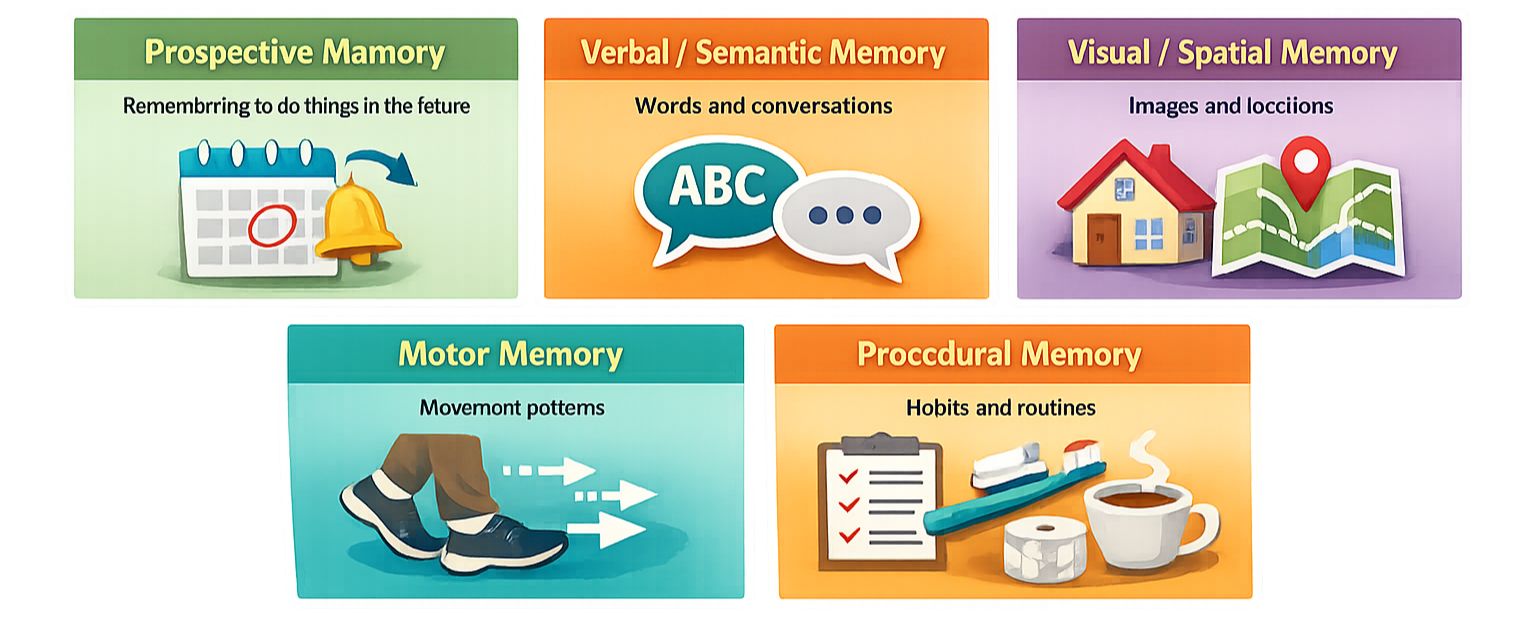
These are the systems that determine whether your patient can:
- remember to take medications
- follow conversations
- find their belongings
- move safely
- complete routines independently
There are five key types:
- Prospective memory (remembering to do things in the future)
- Verbal / semantic memory (words and conversations)
- Visual / spatial memory (images and locations)
- Motor memory (movement patterns)
- Procedural memory (habits and routines)
What This Actually Looks Like in Real Life
Patients may all say:
👉 “My memory is bad”
But what they’re really experiencing is very different:
- Missing appointments or medications
- Forgetting what someone just told them
- Losing items or getting disoriented
- Struggling with movement or coordination
- Losing independence in daily routines
👉 These are not the same problem.
They are different memory systems breaking down.
Quick Clinical Snapshot
- Prospective memory issue:
“I forgot I had an appointment” - Verbal memory issue:
“Wait, what did you just say?” - Visual memory issue:
“I just had it… where did it go?” - Motor memory issue:
Movement feels inconsistent or unfamiliar - Procedural memory issue:
Tasks that used to be automatic now require effort
👉 Same complaint. Completely different system.
Why This Matters
If you treat all of these as “memory problems,” you end up using:
- general repetition
- generic exercises
- non-specific strategies
And your patient may:
👉 improve a little… or not at all
Because you’re not targeting the system that’s actually impaired.
🎥 Watch the Full Breakdown (22 minutes)
This walks through all 8 types of memory and how they function in real clinical practice.
-optimized_thumbnail.png) |
🔥 Understanding the types is one thing.
👉 Knowing how to recognize them in real patients — and what to do about them — is what changes your treatment.
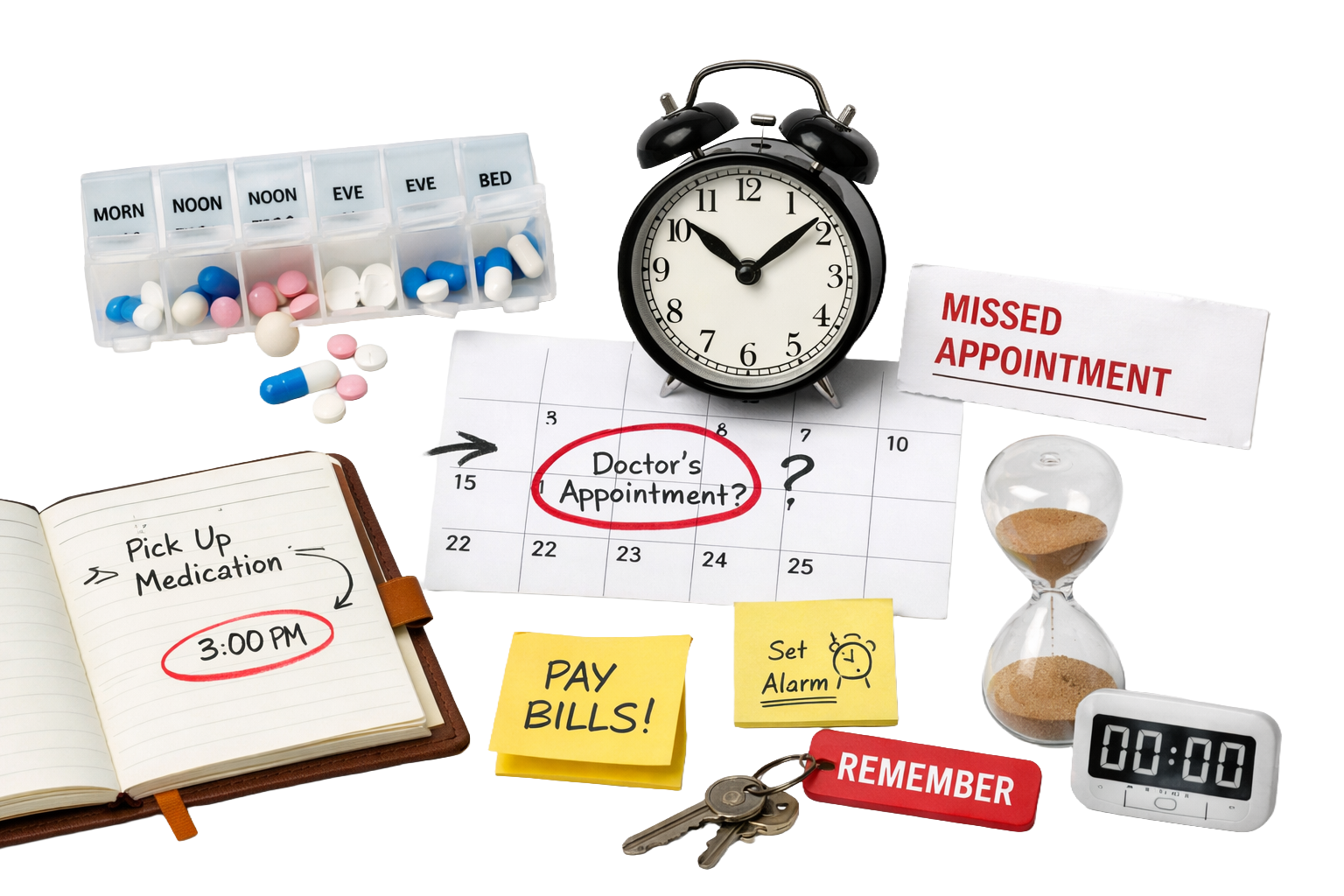
1. Prospective Memory (Future Planning)
This is the ability to remember to do something later.
What It Looks Like
- Missed medications
- Missed appointments
- Poor time awareness
Clinical Meaning
This is not forgetfulness.
👉 This is a breakdown in linking time → action
Clinical Approach
- Use cue-based systems
- Pair actions with triggers
- Train time-based awareness
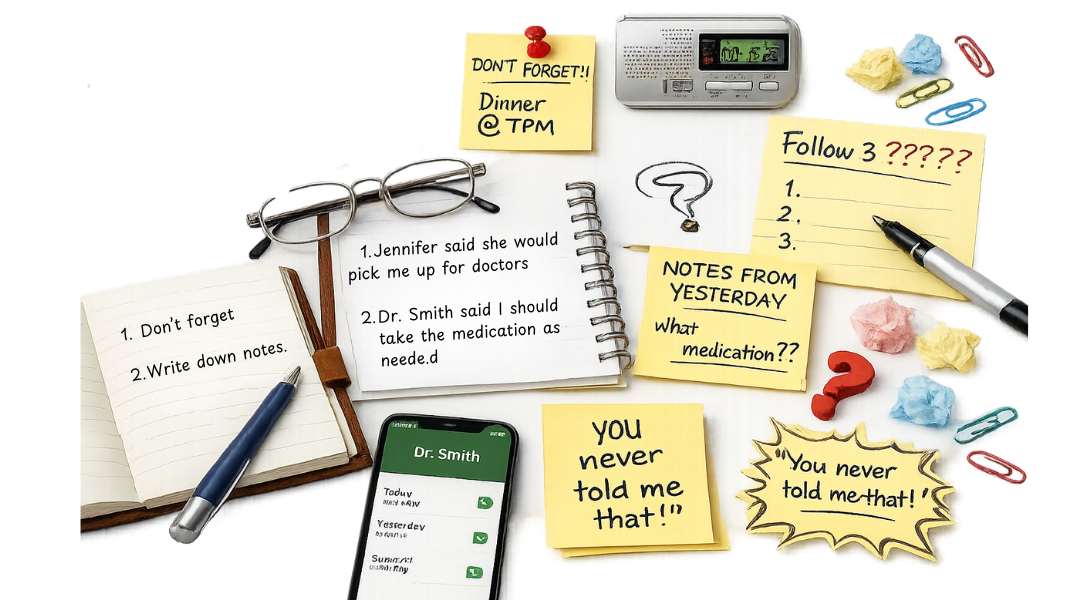
2. Verbal / Semantic Memory (Words & Conversations)
This is the ability to:
- understand
- retain
- recall spoken or written information
What It Looks Like
- Cannot recall conversations
- Difficulty following instructions
- “You never told me that”
Clinical Meaning
This is not attention alone.
👉 The patient cannot retain language-based information
Clinical Approach
- Story recall (immediate → delayed)
- Verbal rehearsal
- Gradual increase in complexity
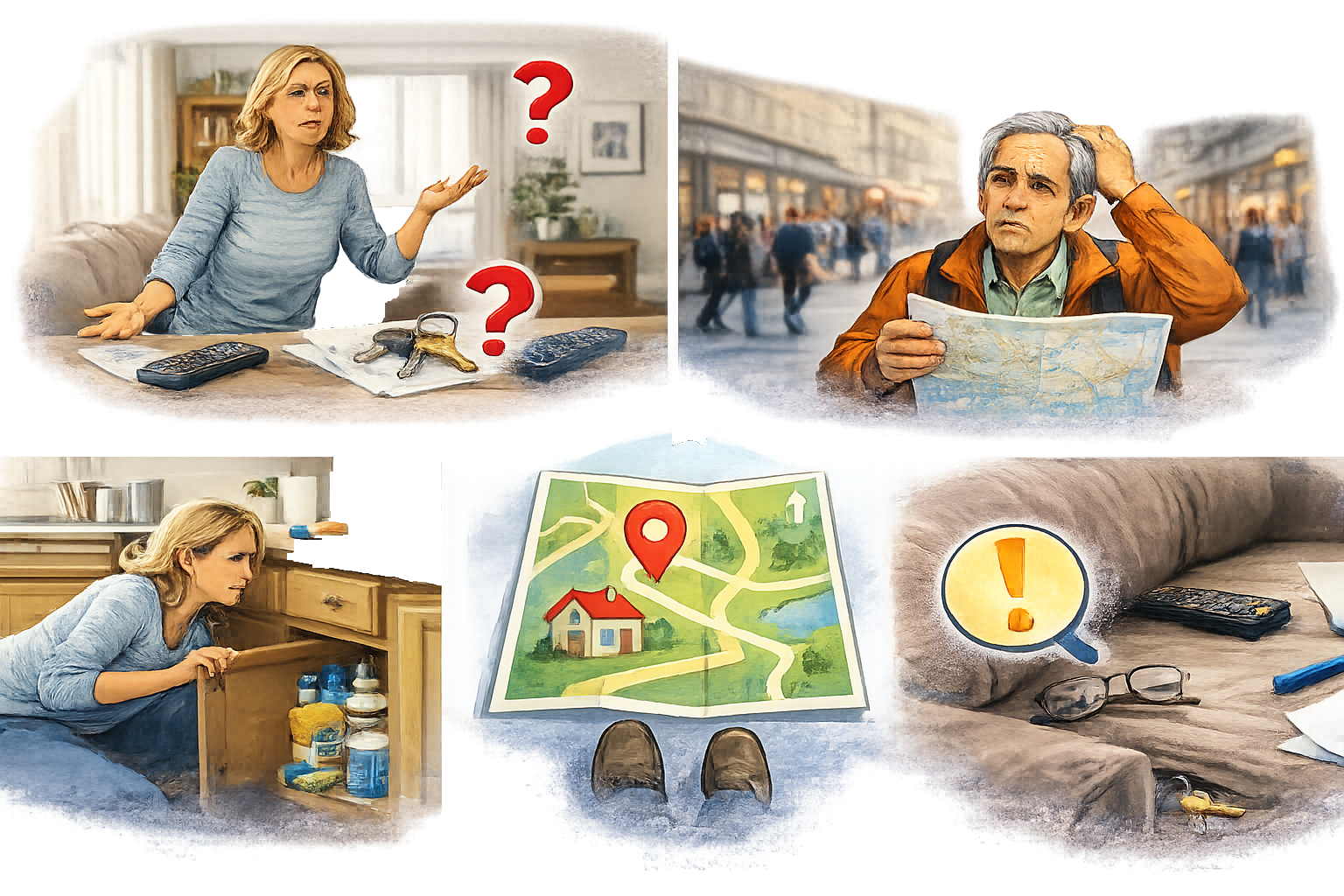
3. Visual / Spatial Memory (Images & Location)
This is the ability to:
- remember where things are
- recognize objects
- navigate environments
What It Looks Like
- Misplacing items
- Difficulty finding objects
- Getting disoriented
Clinical Meaning
👉 The brain is not effectively storing or retrieving visual information
Clinical Approach
- Image recall tasks
- Environmental scanning
- Object-location training
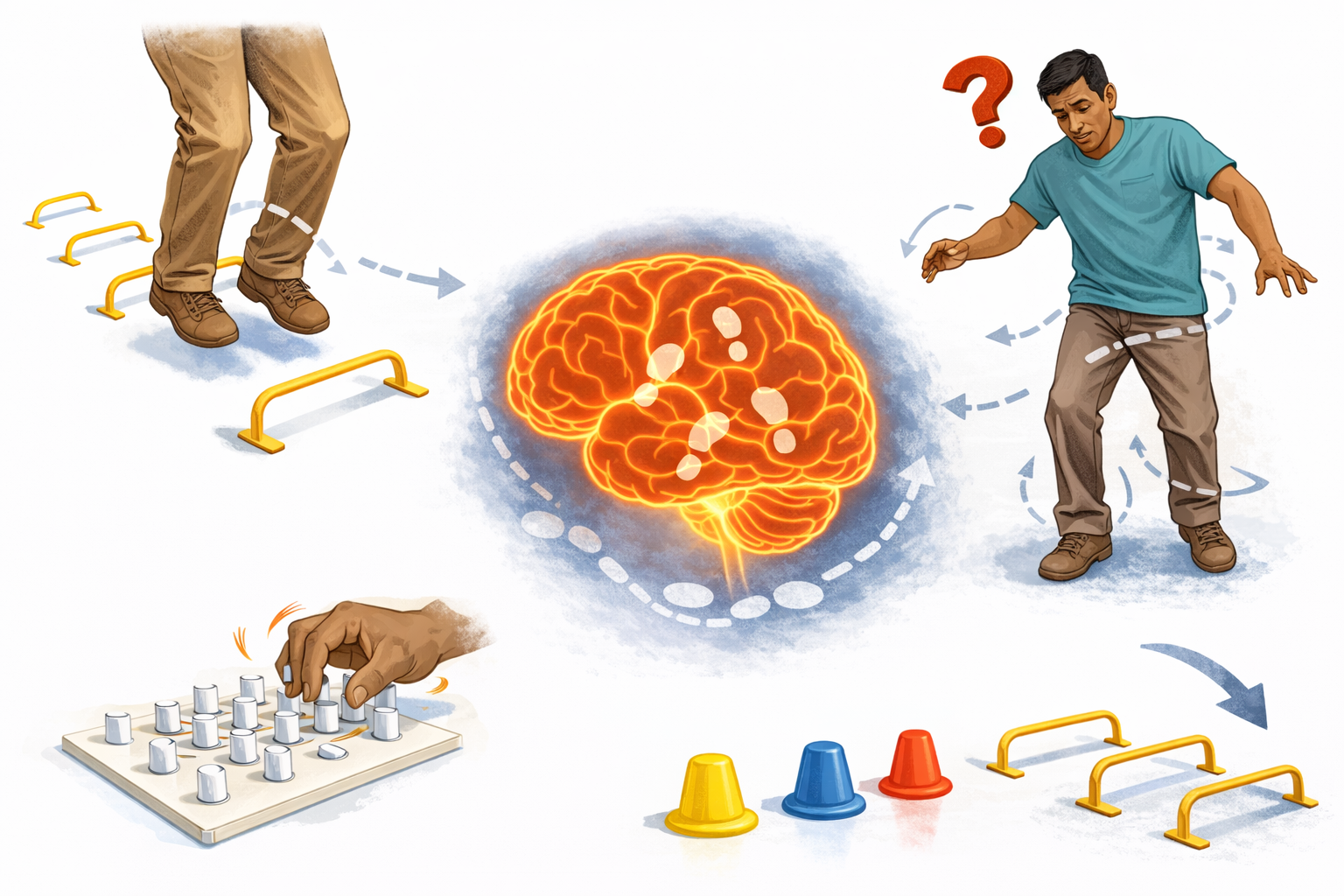
4. Motor Memory (Movement Maps)
This is the brain’s ability to remember movement patterns.
What It Looks Like
- Movement feels inconsistent
- Poor coordination
- Difficulty with learned motor tasks
Clinical Meaning
After neurological injury:
👉 The movement “map” may be:
- lost
- distorted
- or inaccessible
Clinical Approach
- Motor learning principles
- Structured, repetitive, meaningful practice
- Feedback and progression
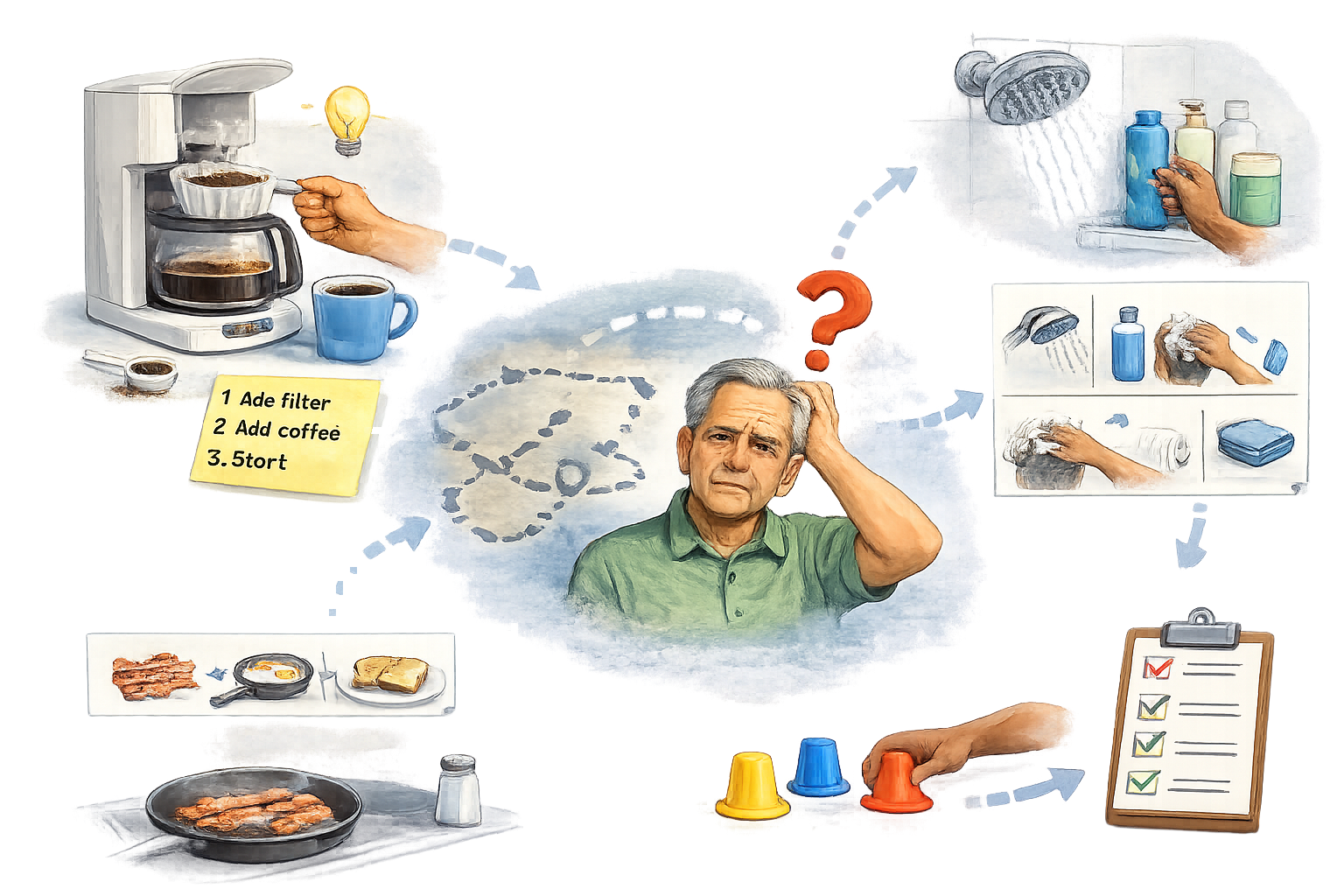
5. Procedural Memory (Autopilot)
This is what allows tasks to become automatic.
What It Looks Like
- Tasks that used to be automatic now require effort
- Loss of routine independence
Critical Insight
👉 You cannot rely on habits if the map no longer exists
Clinical Approach
- Rebuild the task step-by-step
- Repeat consistently
- Allow time for automaticity to develop
Why This Changes Everything
Instead of saying:
👉 “They have memory problems”
You now see:
👉 “This is a prospective memory issue”
👉 “This is a verbal memory breakdown”
👉 “This is a motor memory problem”
And that means:
👉 Your intervention becomes specific
👉 Your reasoning becomes clear
👉 Your treatment becomes effective

Next Step
We’re going even deeper into something most clinicians miss:
👉 why repetition alone doesn’t work
👉 why habits don’t automatically come back
👉 and how to actually rebuild function through neuroplasticity
Author Information:
Michelle Eliason, MS, OTR/L
Occupational Therapist & Functional Cognition Educator
Owner, Buffalo Occupational Therapy
PhD Candidate, Rehabilitation Science
Founder of BOT Portal — a clinical system for real-world cognition
Responses