
Welcome to your comprehensive library for cognitive rehabilitation, intervention planning, and evidence-based OT practice.
Use this page to explore learning pathways, download printable tools, and deepen your understanding of cognition, executive functioning, and dual-tasking in occupational therapy.
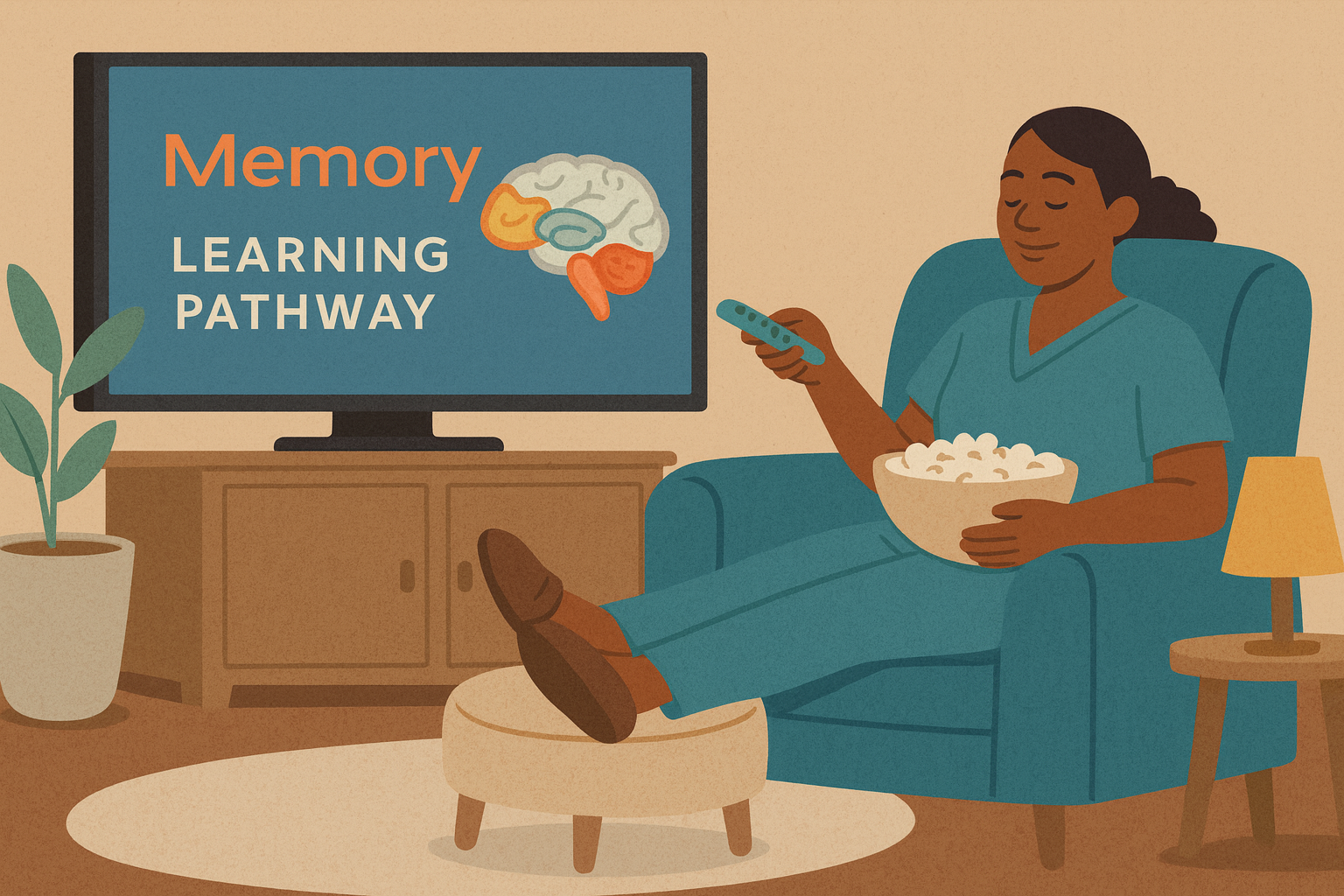
Memory Learning Pathway
This video course guides occupational therapy practitioners through foundational and advanced cognitive concepts, including memory systems, attention types, executive functioning, and cognitive remediation strategies
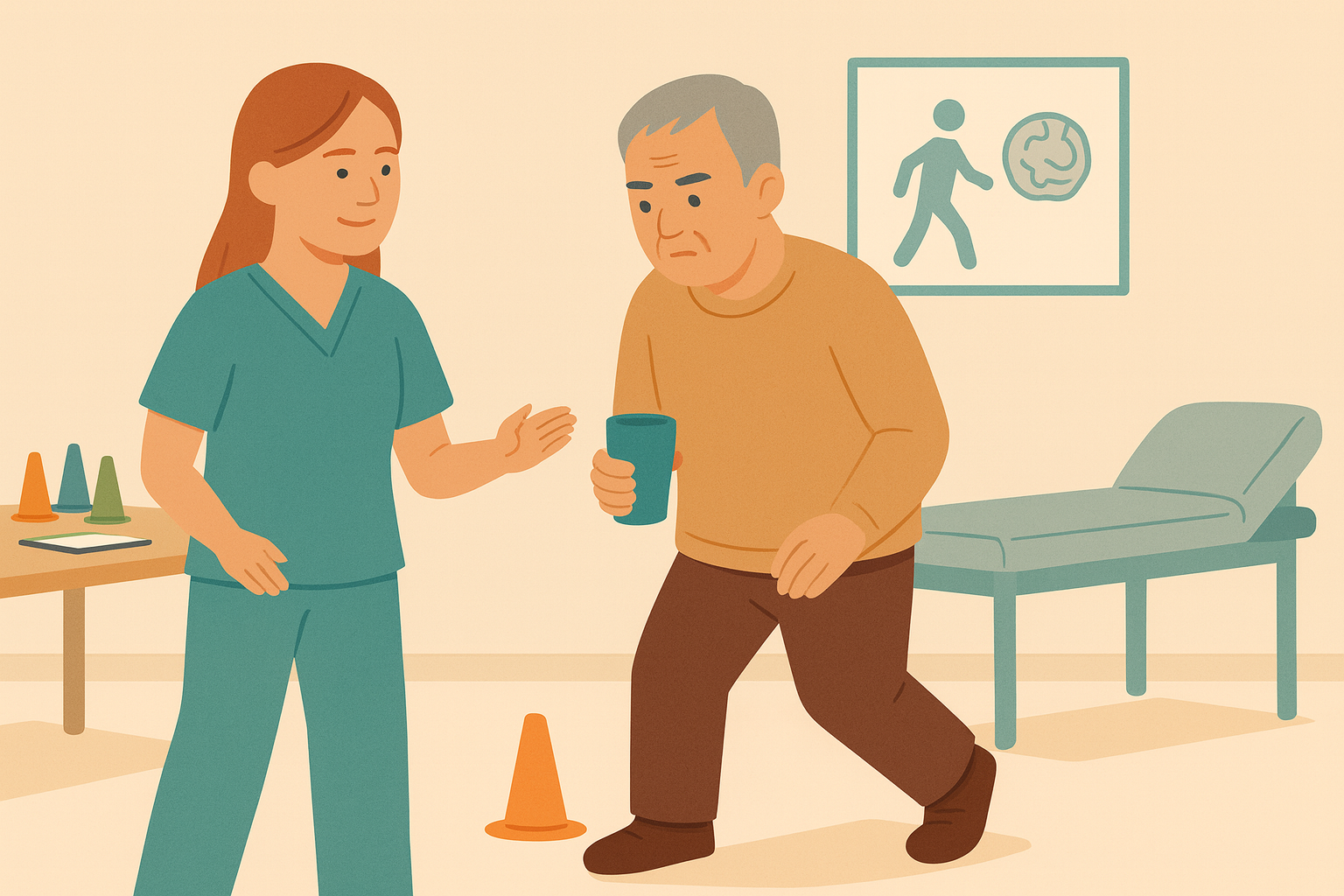
Dual Tasking Assessments and Activities
You will definitely want to browse this resource on Dual Tasking! Learn about all of the essentials that will change your OT sessions forever!
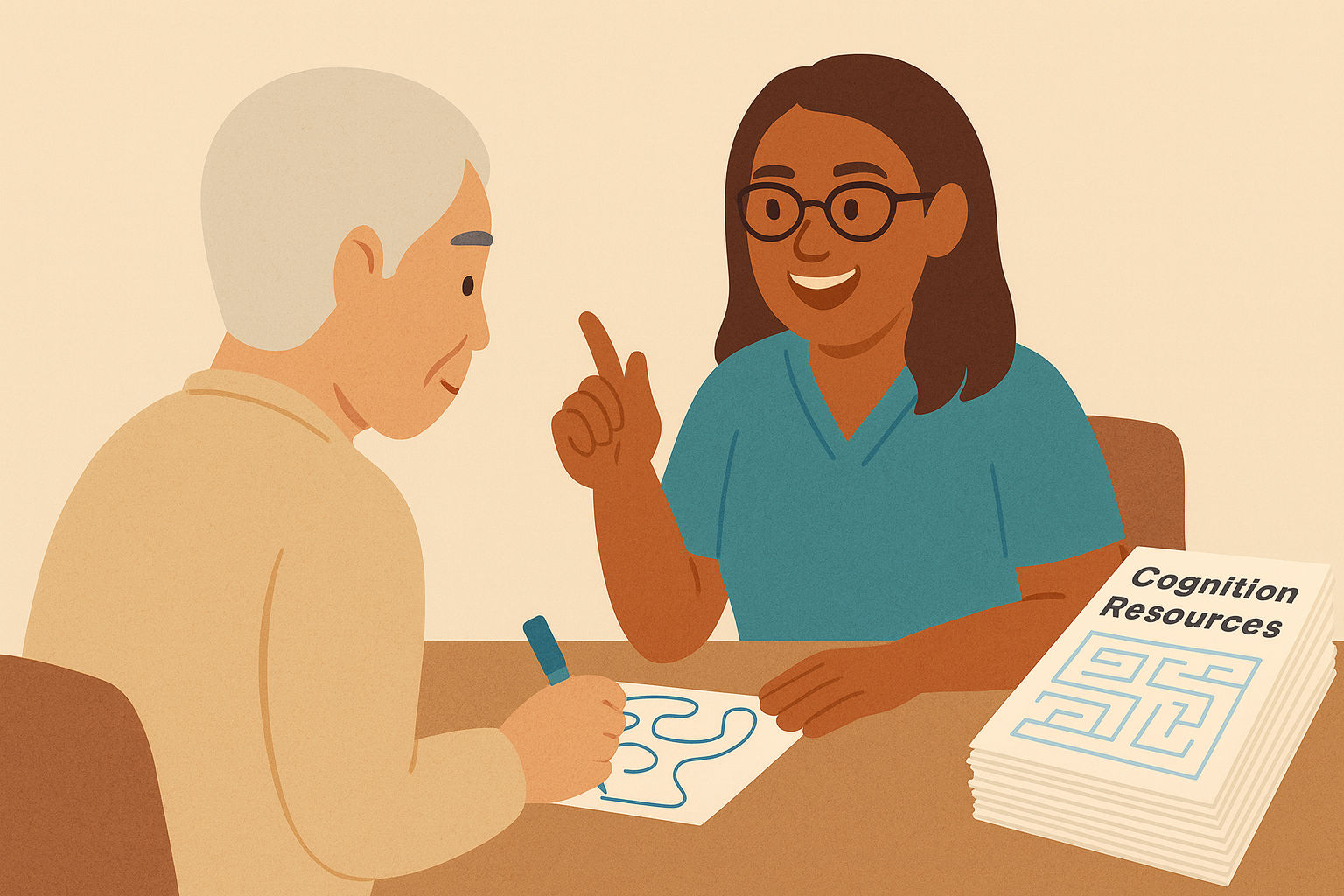
Helpful Resources
Go straight to printables that will help you out of a dry spell of ideas! All of these are supported in literature to enhance cognitive processes. Let's go!
Memory and Attention Learning Pathway
5 hour Self-Paced Course
This video course guides occupational therapy practitioners through foundational and advanced cognitive concepts, including memory systems, attention types, executive functioning, and cognitive remediation strategies.
What will you learn?
Why Understanding Cognition Matters in Occupational Therapy
Cognition is not a single skill—it is a complex network of mental processes that support everything a person does: thinking, planning, remembering, paying attention, organizing, problem-solving, navigating the environment, regulating emotions, and responding to daily challenges.
Yet most clinicians only learn a small handful of cognitive terms in school (e.g., memory, attention, executive function), leaving them without the full picture needed to accurately understand why a client is struggling in daily life.
Functional cognition is how thinking skills show up in real-life tasks.
Many practitioners learn screening tools, but functional cognitive rehab goes beyond checklists—it includes restoration, remediation, and task-based intervention. If cognition is limiting participation, it belongs in an OT plan of care.
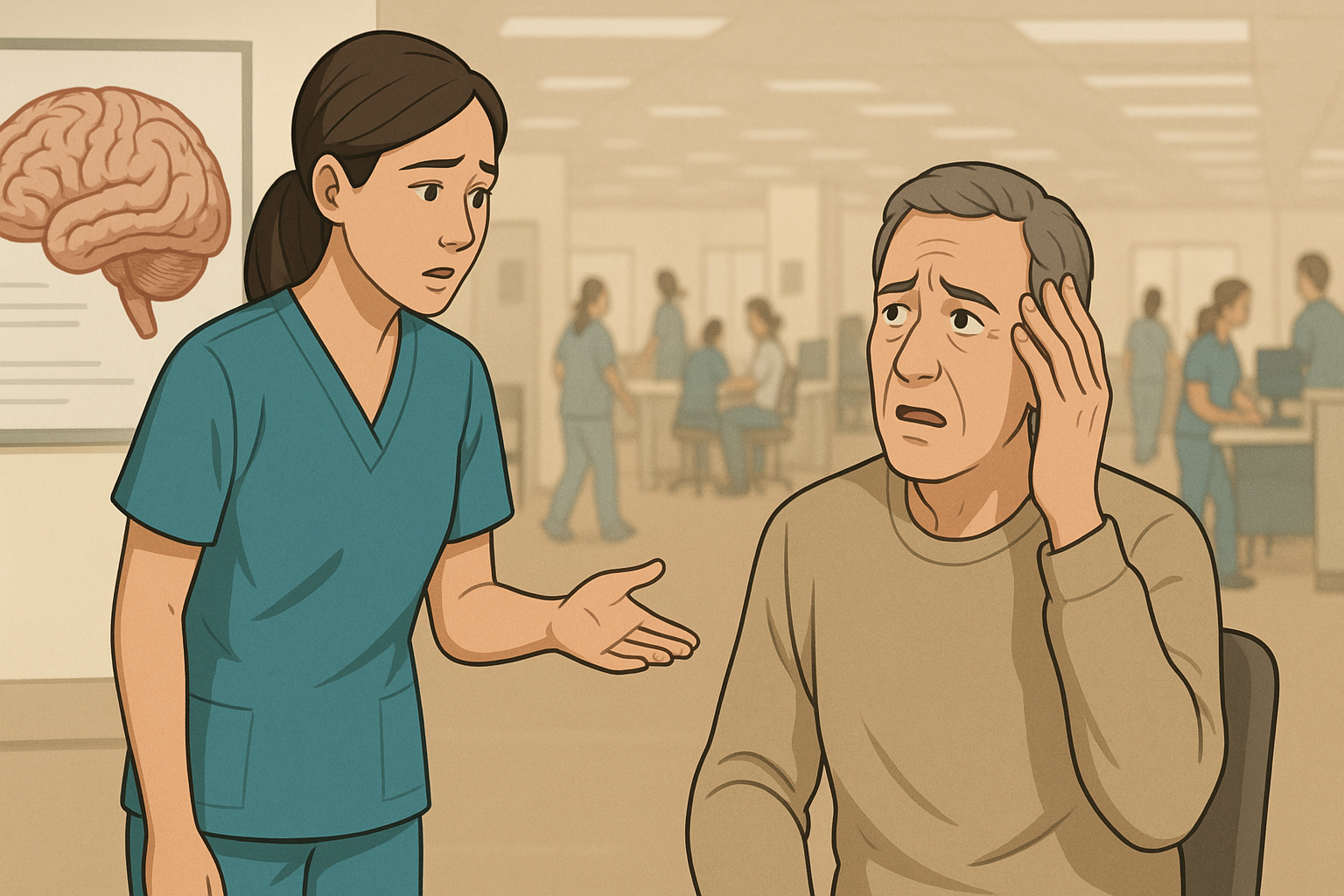
The OT Guide to Cognitive Components
Cognitive breakdowns are easy to miss — especially when clients “pass” basic screens.
This resource helps OT practitioners see what’s really happening beneath functional challenges by mapping out the cognitive processes that drive everyday participation.
Perfect for:
-
Functional cognition assessments
-
Dual-tasking and executive function training
-
Goal writing & medical necessity documentation
-
Activity analysis
-
Patient/caregiver education
Reasons why OTPs are perfect for Functional Cog
Common Conditions
Occupational Therapy and Executive Function
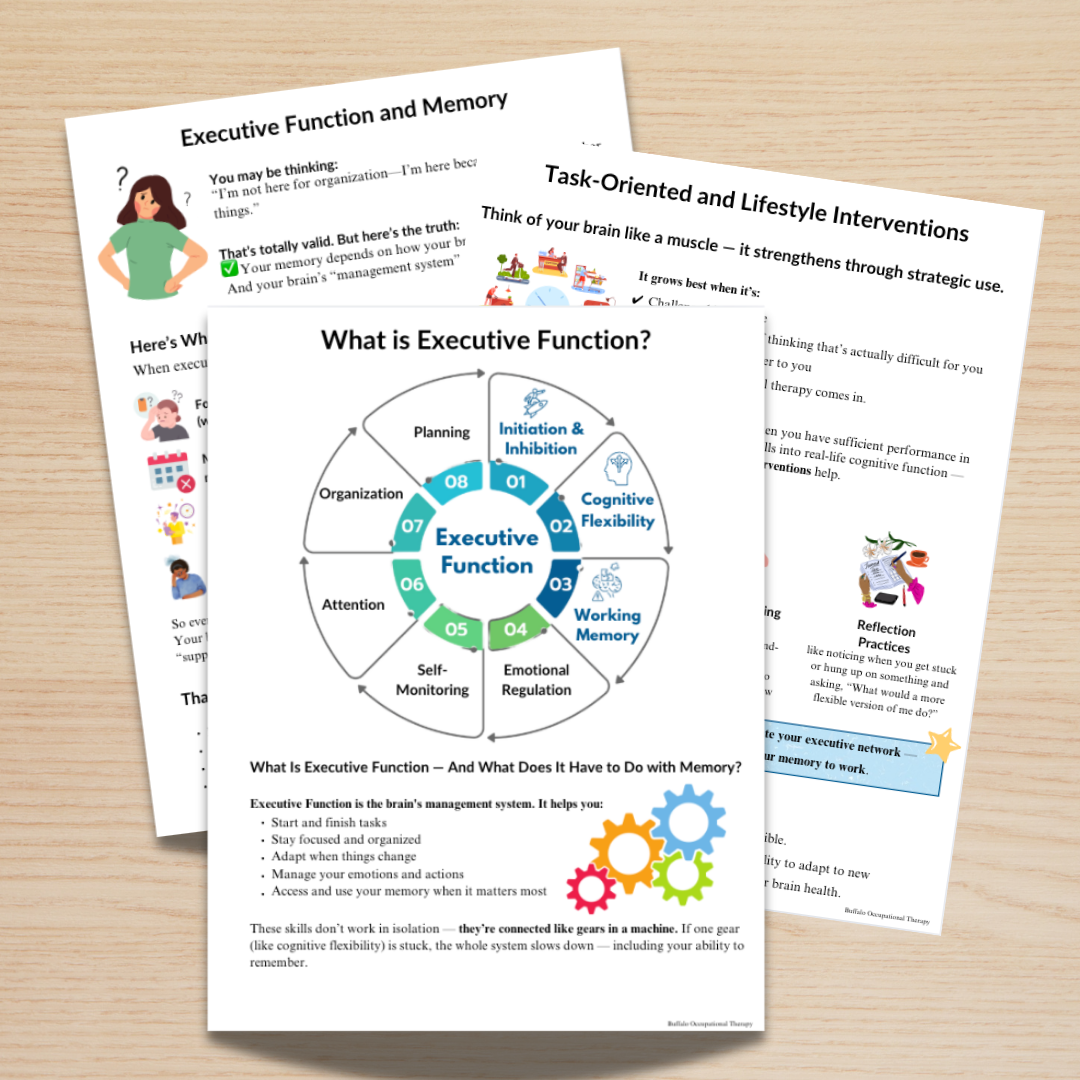
Executive function is the brain’s management system—the core of planning, attention, inhibition, flexibility, emotional regulation, and goal-directed behavior.
Click the images (below) to download the resource!
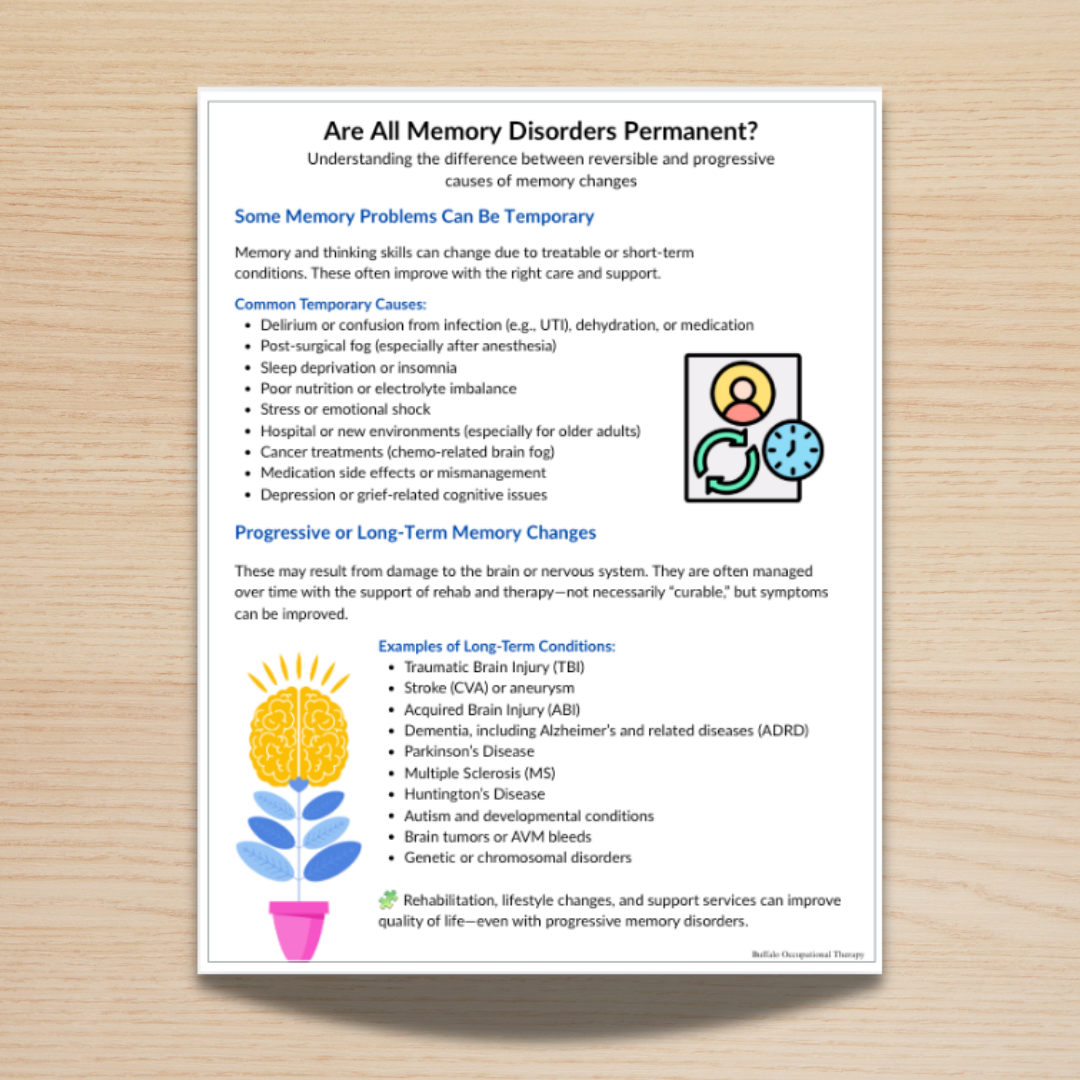
Causes of Cognitive Decline
-
Traumatic Brain Injury
-
Acquired Brain Injury
-
Cerebrovascular accident
-
Aneurysm rupture
-
Arteriovenous malformation (AVM) Bleed
-
Parkinsons
-
Multiple Sclerosis
-
Dementia (ADRD)
-
Huntington’s disease
-
Brain Tumors
-
Autisms
-
Specific genetic and chromosomal abnormalities
-
Developmental impairments
-
Temporary conditions [delirium]
-
Debility
-
UTI
-
Anesthesia
-
Dehydration
-
Medication Management
-
insomnia/sleep issues
-
Cancer/chemotherapy
-
NEW Environment [hospital delirium]
-
-
Occupational Therapy Approach to Executive Dysfunction:
-
Executive function is the brain's management system
It helps individuals start tasks, stay focused, manage emotions, shift thinking, organize information, and access memory efficiently. -
Memory issues are often rooted in executive dysfunction
What looks like poor memory may actually be impaired attention, planning, or inhibition preventing encoding or retrieval. -
Key components include:
-
Initiation & Inhibition
-
Cognitive Flexibility
-
Working Memory & Attention
-
Emotional Regulation
-
Organization, Planning, and Self-Monitoring
-
-
Occupational therapy addresses executive function through real-life tasks
Lifestyle interventions like cooking, dual tasking, sequencing routines, and reframing thoughts activate and strengthen executive networks. -
Intervention must be meaningful and task-oriented
Executive skills improve best when practiced in personally relevant, cognitively demanding, and structured everyday activities. - Executive dysfunction often goes unseen—observe behavior, not just test scores
Many individuals with executive challenges can “pass” cognitive screens but still struggle with real-world function. Clinical interviews, performance-based tasks, and environmental context are essential for accurate assessment.
We have a great handout entitled, "What is Executive Function" to help you explain these concepts to your patients.
Download Executive Function ResourceUnderstanding Functional Cognition
Definition
Functional cognition is how thinking skills show up in real-life tasks.
Many practitioners learn screening tools, but functional cognitive rehab goes beyond checklists—it includes restoration, remediation, and task-based intervention. If cognition is limiting participation, it belongs in an OT plan of care.
Reasons why OTPs are perfect for Functional Cog
Common Conditions
Dual Tasking
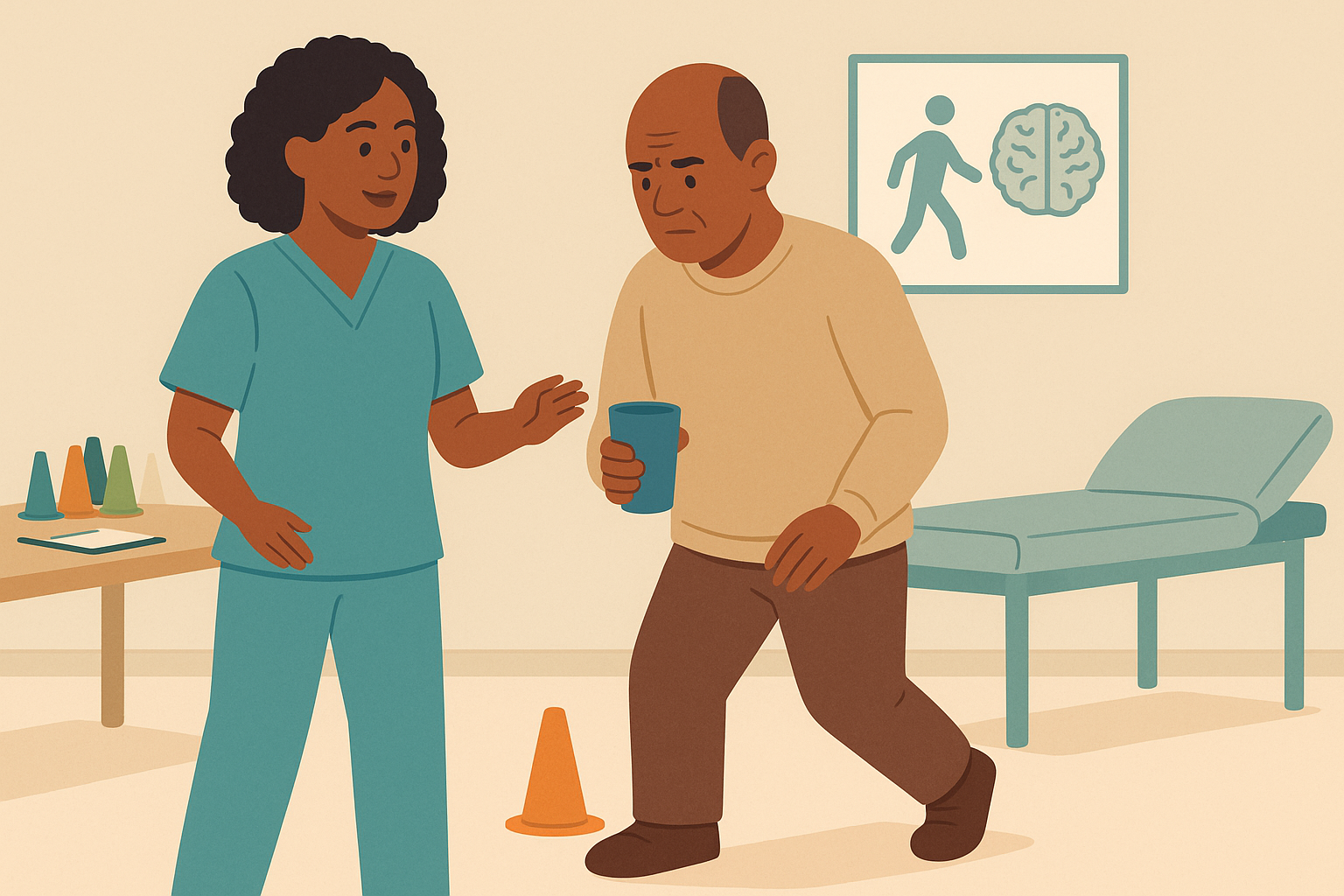


What is Dual Tasking?
-
Dual tasking = movement + cognition
-
Movement requires executive function (attention, memory, planning)
-
Brain + body = one system—healing happens through integrated engagement
💡Why It Matters After Trauma or Neurological Injury
-
Many clients don’t notice dual tasking challenges until they’re impaired
-
Cognitive demands increase when combined with mobility or self-care tasks
-
OT’s role is not just adaptation—it's also restoration and remediation
🧰 The OT Practitioner’s Role
-
Use movement-based cognitive tasks to rebuild function
-
Include dual-task training in your plan of care for 9–12+ weeks
-
Treat executive dysfunction as a key barrier to daily participation
-
Apply evidence-based, non-drug interventions even in progressive diseases
-
Focus on maintaining cognitive reserve and slowing decline
⚠️ How Dual Tasking Deficits Show Up
-
Putting an item down and forgetting where
-
Entering a room and forgetting why
-
Leaving a store without the item they went for
-
Struggling to cook while holding a conversation
-
Missing what someone says while walking or cleaning
-
Getting disoriented while driving and following directions
-
Tripping or missing obstacles while walking and thinking
🔑 Bottom Line:
You’re not just adapting. You’re restoring.
Dual tasking training is essential for cognitive recovery and long-term independence.
Would you like this formatted as a printable handout for clinicians?